

G'day fellow ocean lovers,
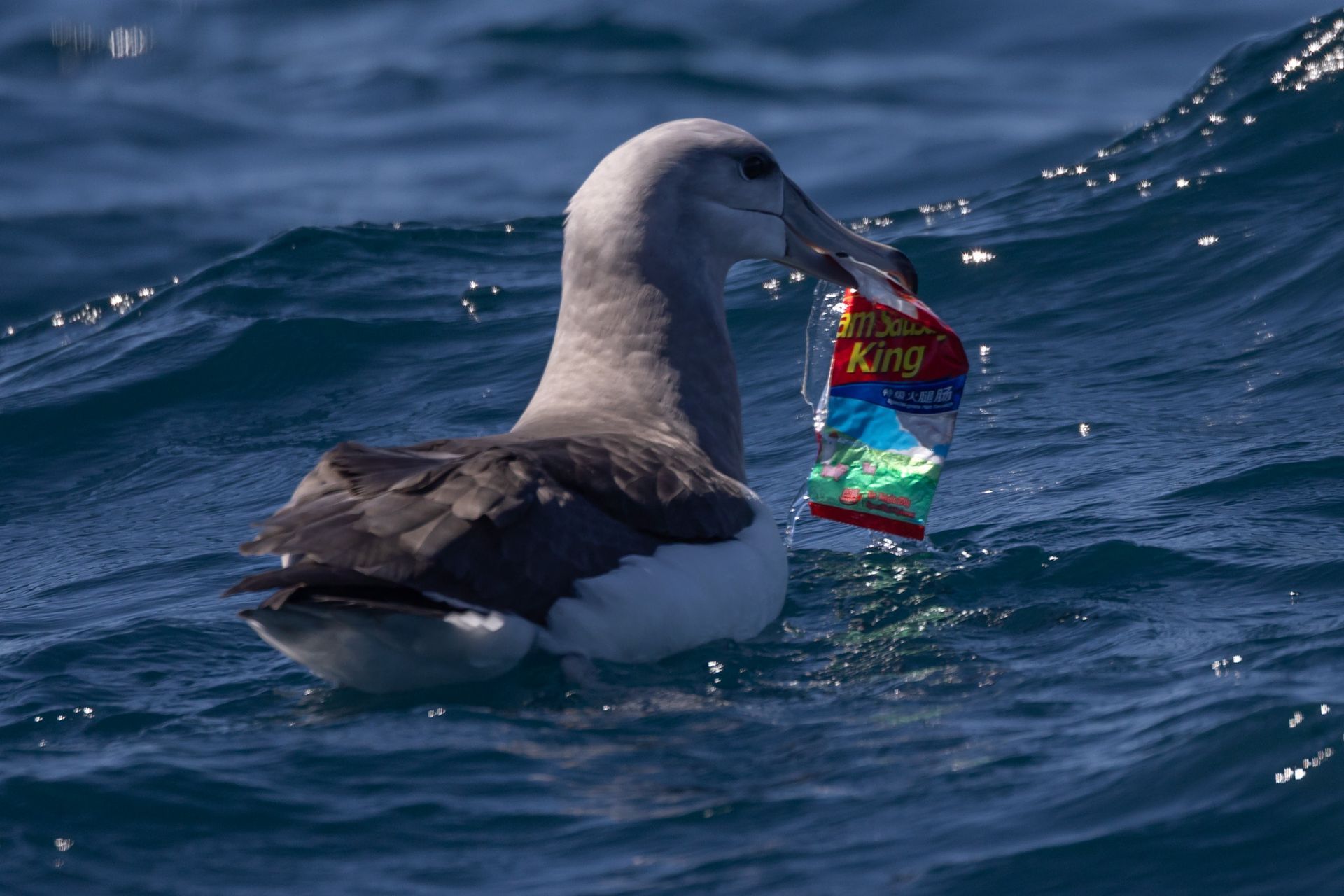
The ocean is home to hundreds of thousands of species, from microscopic phytoplankton to the mighty humpback whale we’re lucky enough to see off the Sydney coast. But it’s also where an estimated 11 million tonnes of plastic ends up each year, and that’s in addition to the millions of metric tons of plastic already circulating in our oceans.
Plastic pollution is having a serious impact on marine life, including whales. At Go Whale Watching Sydney, we believe that running a responsible, low-impact whale tour is part of the job, and that helping protect the ocean is something everyone can contribute to.
Why plastic is a problem for whales
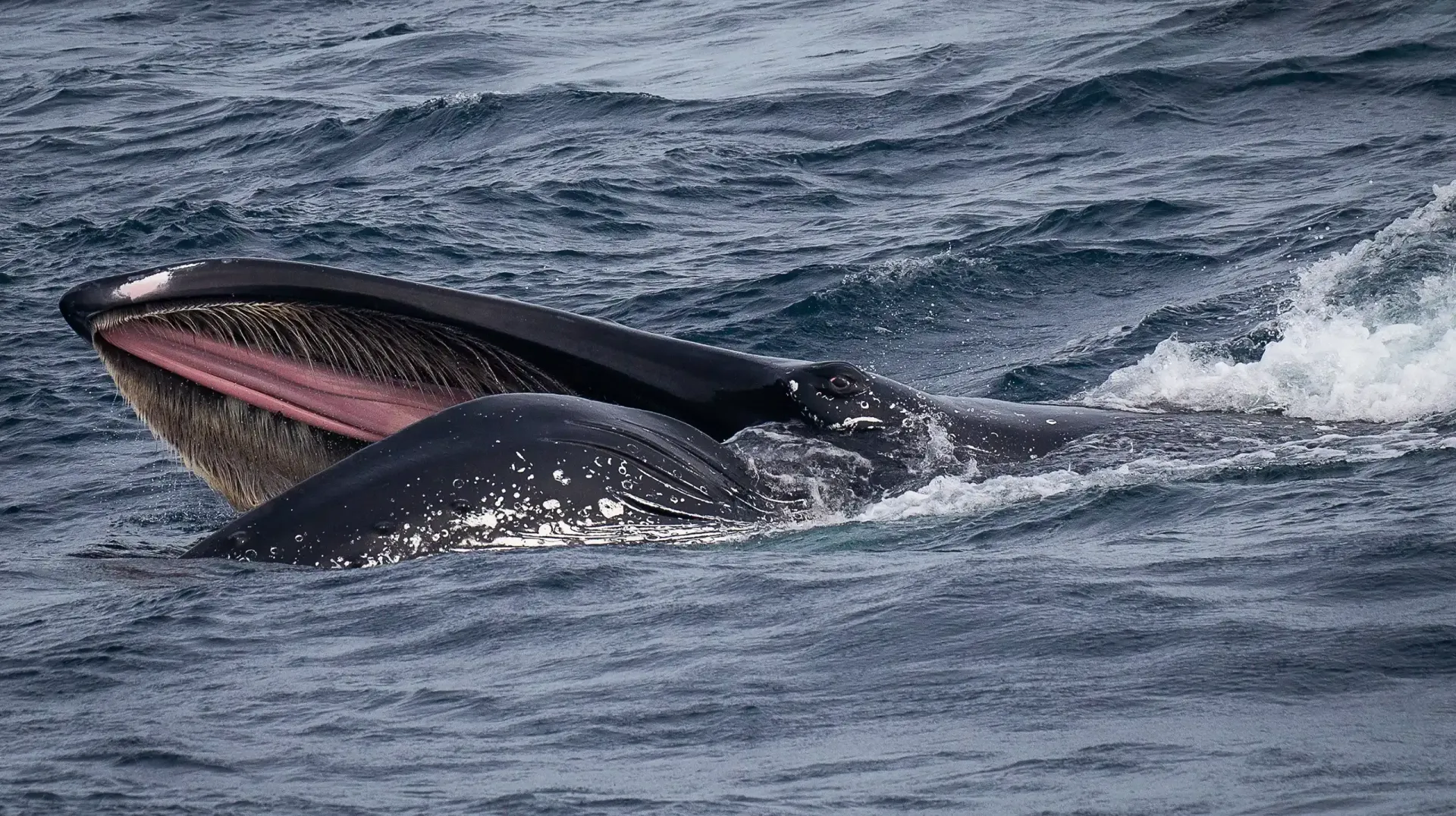
Plastic pollution is one of the most widespread and preventable threats to whales today. Whales are filter feeders, meaning that whatever is floating in the water ends up in their mouths. Plastic doesn’t break down in the way natural materials do, so the more plastic in the ocean, the more likely whales are to encounter it.
What you can do to help
It’s easy to feel overwhelmed by the magnitude of the plastic crisis. However, our individual actions really can make a difference. Choosing to reuse and avoid single-use plastic is one of the best things you can do, whether you’re at the supermarket, the office, or the beach. Small swaps, like using refillable water bottles, carrying a reusable shopping bag, and choosing loose produce, can prevent unnecessary waste from ever reaching the ocean.
Proper rubbish disposal is also essential. Most of the plastic in the ocean starts on land, entering the water through stormwater drains. Picking up rubbish, even if it’s not yours, helps prevent it from travelling downstream. Supporting businesses and organisations that use less packaging, or that actively work to reduce environmental harm, is another way to create change through everyday choices.
How to be an eco-conscious whale watcher
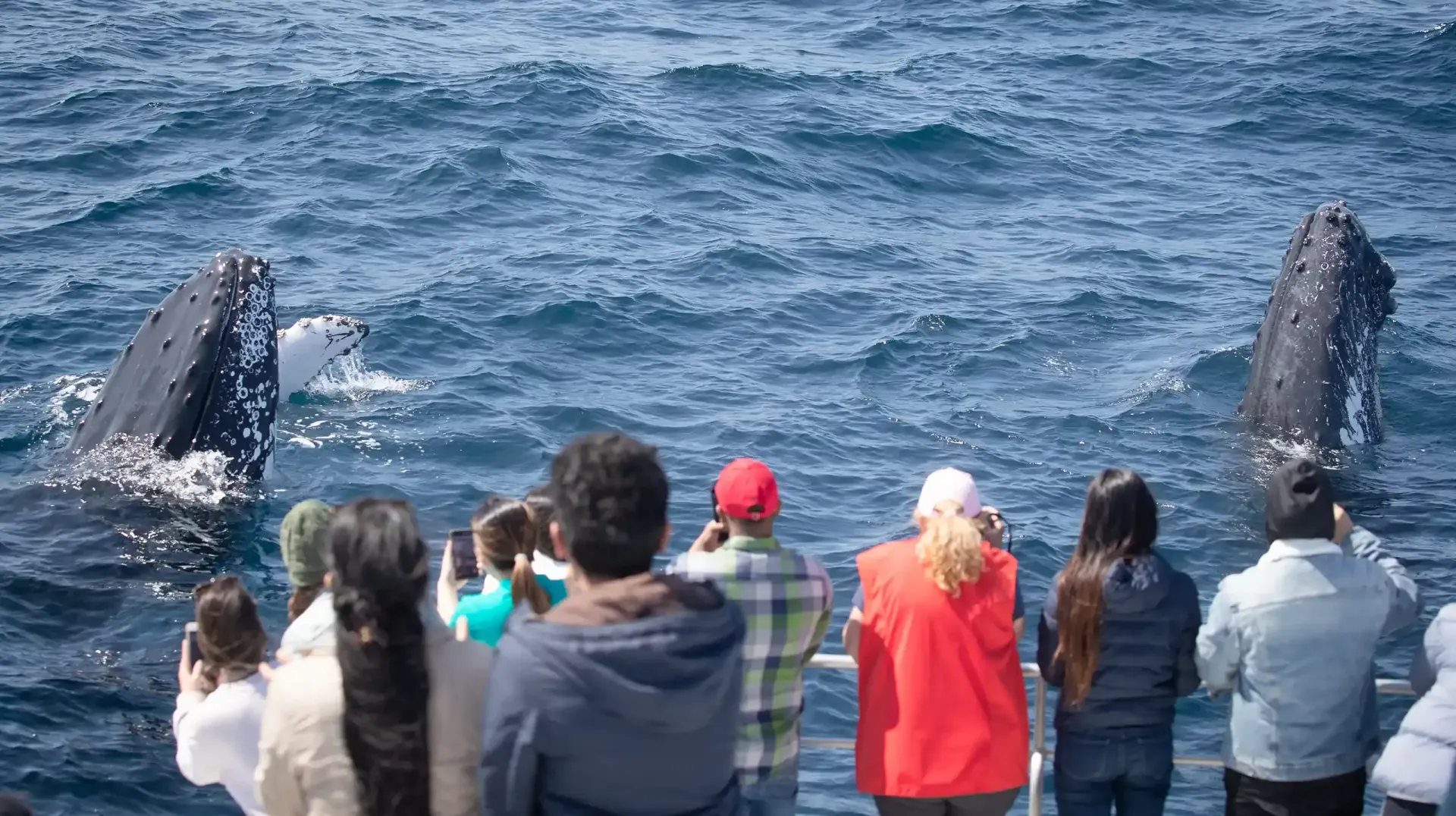
Reducing plastic use starts well before your feet hit the boat ramp, but bringing a reusable bottle, packing waste-free snacks, and taking all your rubbish with you are a few ways you can tread lightly when heading out on a whale watching tour. We supply tea and coffee on our cruises, and we are always stoked when visitors bring their own reusable cup to use on board!
Be sure not to throw anything overboard, not even “biodegradable” items. It’s all extra material in an ecosystem that doesn’t need it. Staying alert to your own footprint and showing respect for the ocean helps protect the environment we’re there to enjoy. It also sets a great example for other passengers, because caring is contagious.
You can also reduce your carbon footprint by using public transport to get to your whale watching tour. Our Go Whale Watching Sydney tours depart from Darling Harbour and it’s quick and easy to us via train, bus or ferry. It’s also often easier and cheaper than parking a car.
How we run an eco-conscious tour
At Go Whale Watching Sydney we feel very lucky to operate in the whales’ environment, and we treat it with respect. Our vessels are maintained to reduce fuel emissions and operate efficiently. We limit the use of plastic onboard, and any rubbish is disposed of properly when we return to shore.
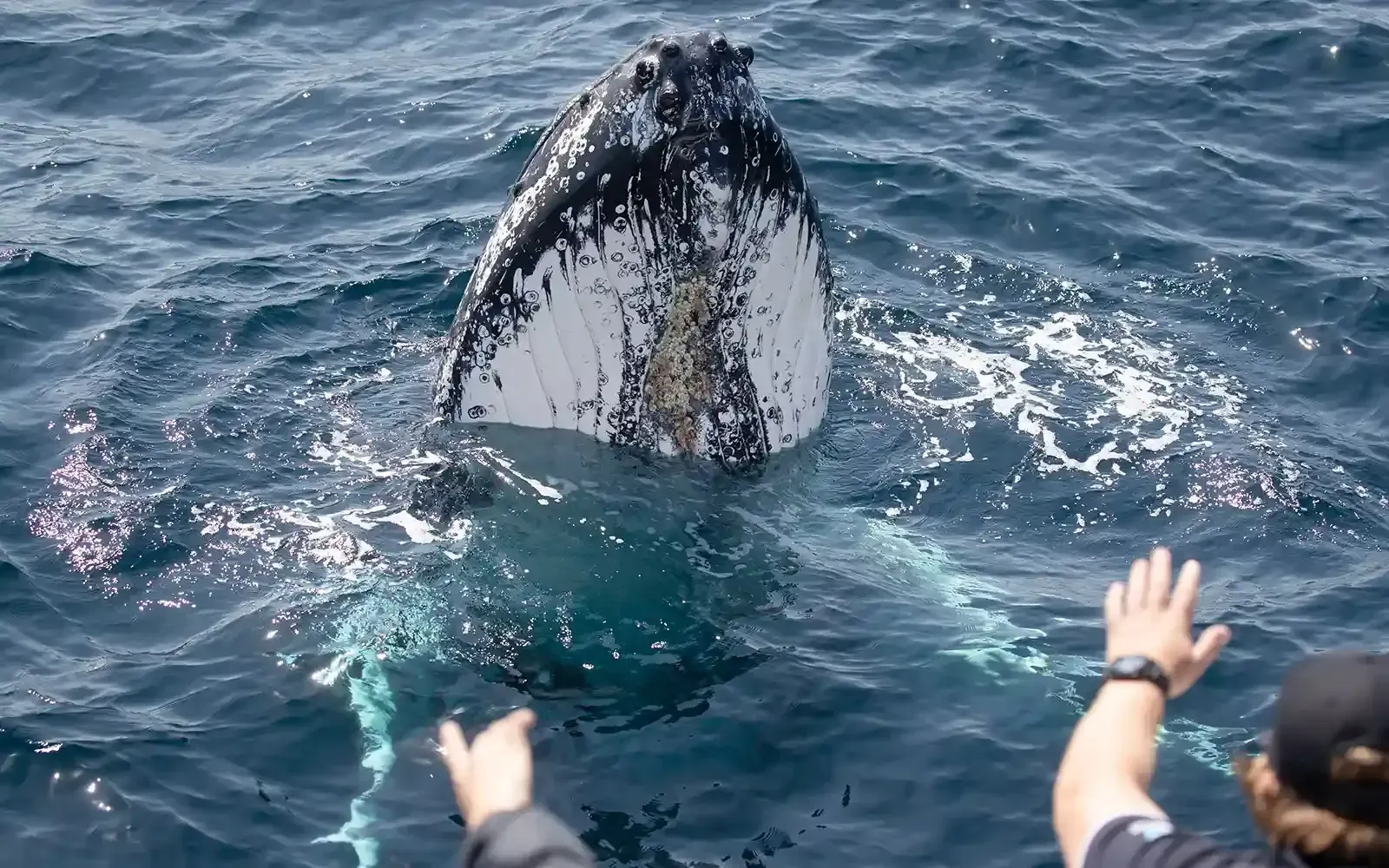
We consider it a privilege to be able to watch whales and a responsibility to be able to share them with our guests. We follow responsible whale watching practices and are committed to minimising the disturbance that our tours make to the whales we are watching.
We also view every tour as an opportunity to educate. Our crew shares information about whale behaviour and migration, but also about the environmental issues whales face, including plastic pollution and habitat disruption. We believe people are more likely to care and act when they understand what’s at stake.
Cleaner oceans start with us
There’s no single solution to plastic pollution, but the biggest impact comes when lots of people make small changes. Cutting back on plastics, staying aware of what ends up in our waterways, and supporting businesses that prioritise the environment all help reduce the pressure on marine ecosystems.
There are some great local initiatives that are worth checking out and supporting, for example Seabin Project which is cleaning up Sydney Harbour through the use of floating rubbish bins that filters and removes plastic pollution from the water’s surface.
Cleaner oceans mean healthier whales, and a better future for all marine life. Whale watching in Sydney Harbour is a privilege we don’t take lightly, and we hope you’ll join us in helping to protect our local marine environment.
From the deck,
Captain Simon